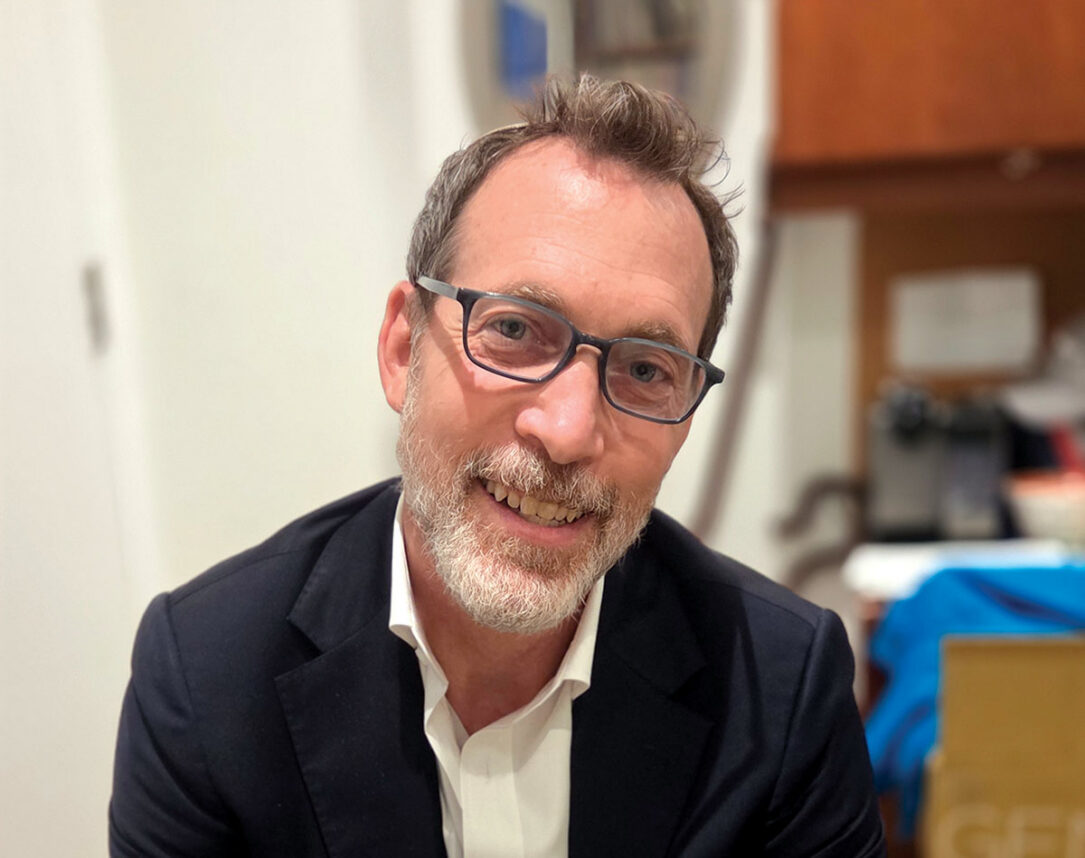
When Matthew Nouriel was 15, he would hang out at a club in Hollywood that was open to all ages and had a drag show on Friday nights. When his mother continued to nag him about why he would go to such a place, Nouriel said, “Well, Mom, I’m gay.”
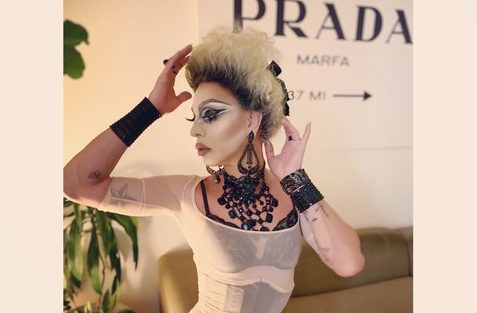
Today, Nouriel, who has done stand-up comedy and currently is working toward getting his real estate license, is an LGBTQ activist and drag queen (or Her Royal Highness the Empress, as he calls himself). A Persian Jew who lives in West Hollywood, Nouriel is dressed for this interview in jeans and a white V-neck shirt. However, he describes himself as gender fluid or gender nonconforming, noting that dressing in drag is his way of shutting down the binary that exists between the two sexes. “If you consider me female, that’s fine,” he said. “If you consider me male, that’s fine.”
Born in London, Nouriel moved to Los Angeles when he was 15, with his mother and brother, after his parents divorced. At the same time, he began to explore his sexuality and dressing in drag. But a year later, he stopped doing drag. “I swapped out [drag because] I felt a sense of responsibility to my family that I should not be myself, I guess,” he said. “So I lost that sense of self-awareness and self-strength, and it took so long for me to get it back.”
It actually took 21 years, but Nouriel said he has no regrets. “I don’t believe in mistakes,” he said. “I believe things unfold as they’re supposed to in your life … but you can’t live your life for other people.”
Matthew Nouriel and one of his stand-up comedy friends did a spoof on the documentary “Blackfish” called “Orange Fish” about the “massacre of goldfish on Persian New Year.”
And so, in 2014, Nouriel and one of his stand-up comedy friends did a spoof on the documentary “Blackfish” — about the controversy over killer whales being kept in captivity — called “Orange Fish,” about the “massacre of goldfish on Persian New Year.” Traditionally, Persians who celebrate the holiday place a bowl of goldfish on the table to symbolize life. But, Nouriel quipped, “They start out with 10 goldfish and by the end of Persian New Year, there’s maybe two.”
For his role in the documentary, Nouriel dressed as a woman, his friend’s Louis Vuitton bag on his shoulder, and sported a beard, a bad wig, huge black sunglasses and a blanket wrapped around his body. That led to another spoof called “The Real Housewives of the Shahs of Sunset.” When a good friend of his saw how funny it was, he invited Nouriel to his YouTube channel. Nouriel called his female Persian character Fereshteh Shoorkhakianian.
https://www.youtube.com/watch?v=Sf3BvvwmqO8
Those gigs led eventually to an original series on YouTube called “Persianality” in 2016. The videos are a series of interviews with Shoorkhakianian. “It was 2016 when I said, ‘You are a drag queen. You like doing this. You feel good doing this and there’s no reason why you shouldn’t.’ ” The second season of “Persianality,” called “Persians in Palm Springs,” now is available on the queer streaming website, Revry.
And although Nouriel finally is comfortable in his own drag queen skin, it’s been a long, hard road. His mother died from ALS when he was 28, and his Iranian Jewish background also made things difficult. His mother told him that she would accept him more if he were a transsexual rather than gay.
“I think that speaks to the binary,” Nouriel said. “You could fit into being a man, you could fit into being a woman — anything in between is too confusing.” However, his father, who still is alive, has given Nouriel his blessing.
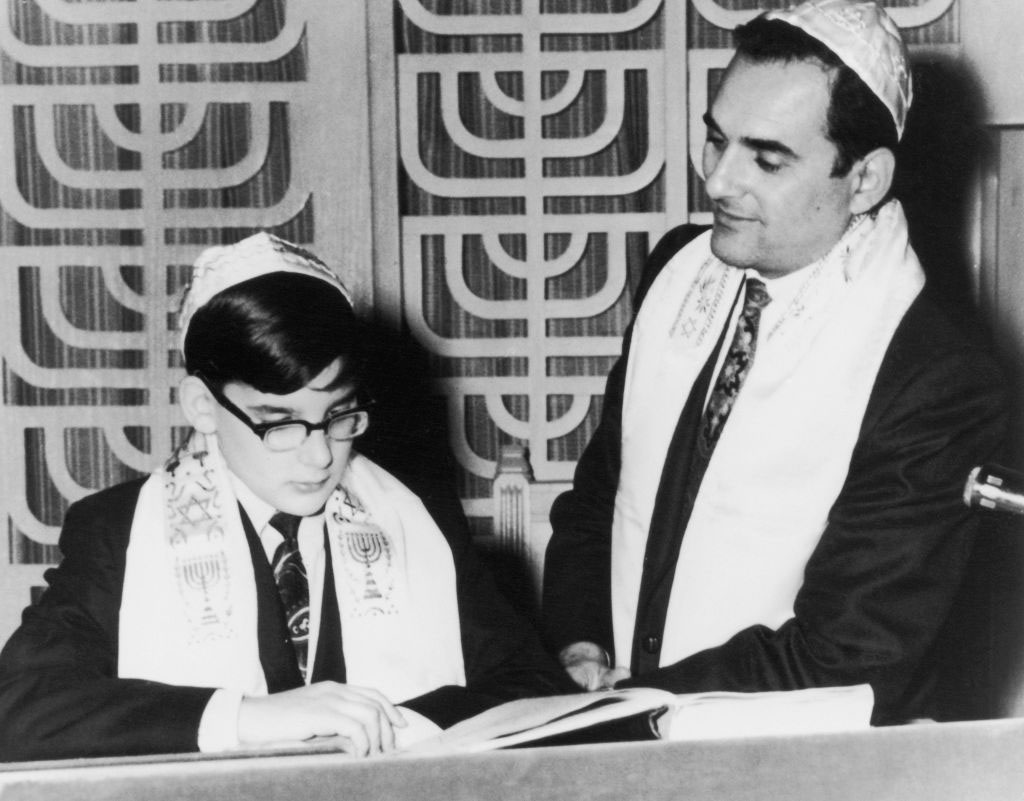
And although Nouriel doesn’t subscribe to the religious tenets of Judaism, he is thankful for the traditions. He said that if he ever has children, they would celebrate Shabbat with the traditional Friday night meal and have a brit milah. “We’re a culture, we’re a people of survival and that feeds into my experiences as a queer person, for sure,” he said. “I’m a survivor.”
Michelle Naim is a senior studying English with a concentration in journalism at Stern College for Women in Manhattan and a Jewish Journal summer intern.