If you could change one thing about your bar or bat mitzvah, what would it be, and why?
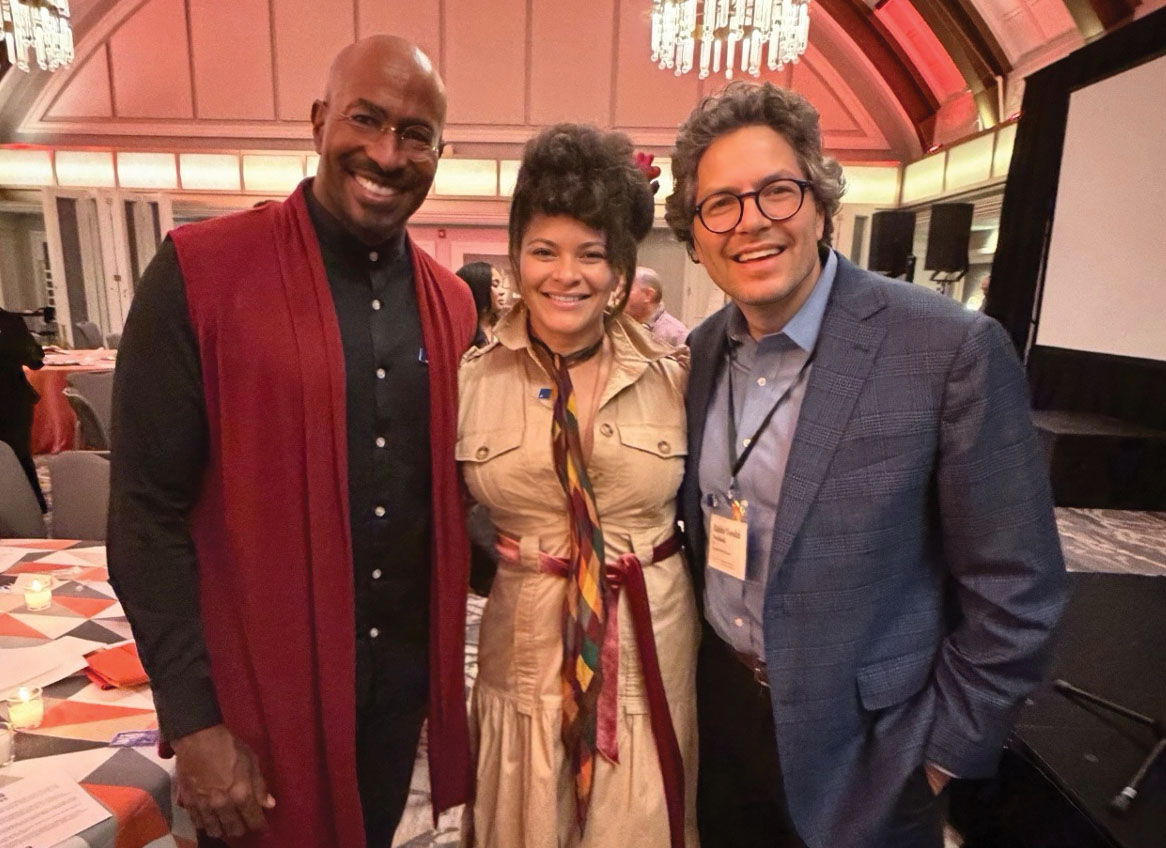
Reboot, the think tank that aims to imagine ways of modernizing and revitalizing Jewish tradition, sought to answer that question Nov. 15 with its newest program, reBar. It partnered with the nonprofit Pico Union Project, which hosted the event, as well as The Jewish Federation of Greater Los Angeles.
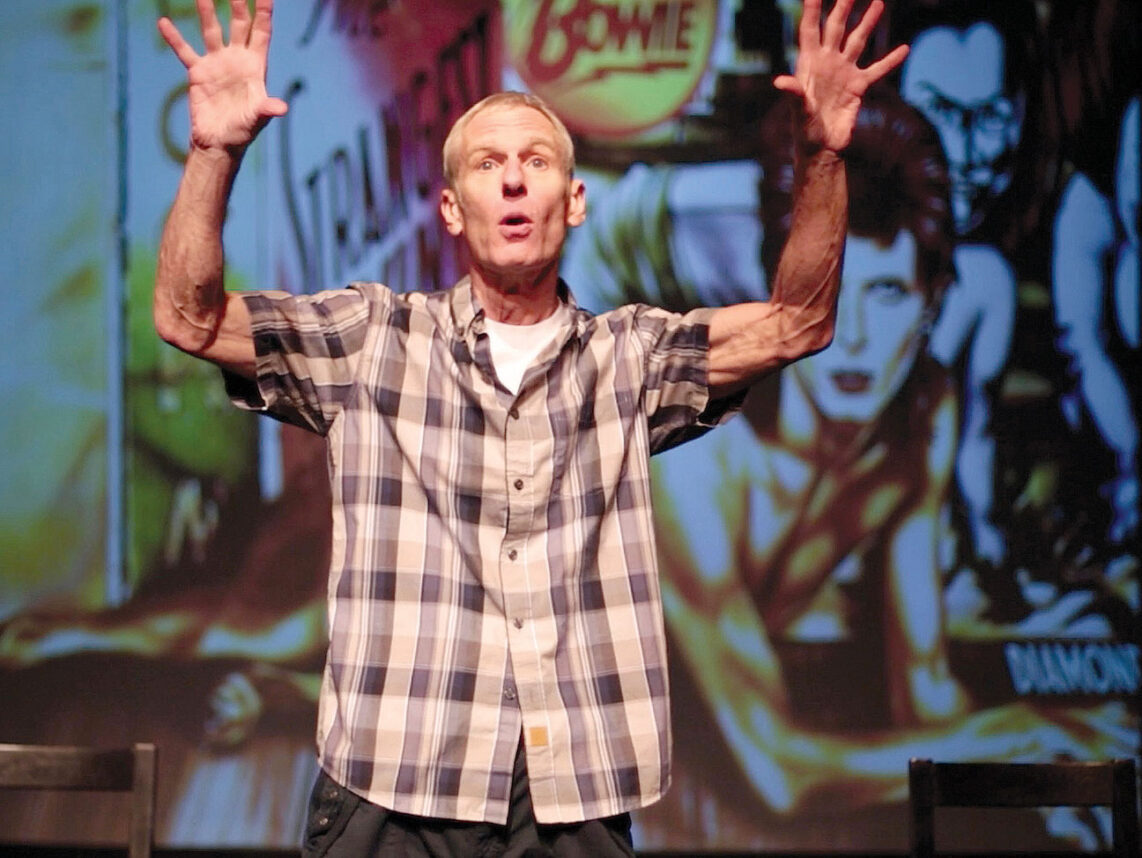
The locale — the oldest synagogue building in Los Angeles — seemed fitting for the nostalgic event, which consisted of storytellers reflecting on their own awkward transitions into adulthood. Following a Havdalah service led by Pico Union Project’s founder, singer/songwriter Craig Taubman, the storytelling show began.
“So, just to bring the energy up a little bit, we’re going to start with a silent 20-minute meditation,” joked co-host Ethan Kuperberg, writer for Amazon Prime’s hit TV show “Transparent.”
Fellow co-host Ethan Sandler got straight to business by explaining the premise of the evening. “We’ve come here tonight to talk about rites of passage,” he said.
Sandler went on to play a vinyl recording of his bar mitzvah haftarah. “See if you can hear me become a man,” he challenged the audience. The recording of a young boy going through the tropes ensued. Ten seconds in, Kuperberg said: “I heard it happening.”
ReBar is Reboot’s newest project, which, after more than a year of planning, was finally unveiled in Los Angeles. In January, reBar will celebrate its debut in San Francisco with a live show, after which it will travel east, according to Reboot’s executive director Robin Kramer.
Lisa Grissom, Reboot’s L.A. program manager, said that since working on this project, “I’m inspired to go back and relearn my Torah portion.”
In this particular event, she told the Journal, “We wanted to blend the Jewish lens with the lens of other cultures.” Because the Pico Union Project serves diverse communities, as reflected in the evening’s catered spread of bite-sized tamales and a punch bowl filled with sangria, the partnership was a natural next step for Reboot. And so event organizers broadened their central question to incorporate all cultural rites of passage.
“I’m not 15 years old anymore — and thank God,” said Karla T. Vasquez after reflecting on her fiesta rosa, an El Salvador tradition.
Invited storytellers included Vasquez, Esther Chung, Andy Corren, Mark Anthony Thomas and Sara Wilson. Singer/songwriter Madison Greer — who is also the executive personal assistant at the Pico Union Project — accompanied by her own piano playing, sang a sultry, sad rendition of Leonard Cohen’s “Hallelujah.”
The last story was recited by host Kuperberg, who reviewed his bar mitzvah as if it were an episode of groundbreaking television. (His grade in retrospect: a slightly above-average C plus.)
“OK, last thing tonight,” said Sandler, as both hosts took the stage at the end of the evening. “We thought we could create a rite of passage tonight.”
They asked the audience to close their eyes and picture themselves at age 13. “Who were you? What did you love then? Who did you love then?”
And as the audience was transported back to a time long gone, the hosts snapped them back to the present with one more resounding question: “Who are you now?”