Starting out. The new place, the new ideas and more fears that expectations. Perhaps this certain moment is the best one to engage in a new enterprise. When I first heard of Jewrnalism I thought the idea is as brilliant as needed and expected both from the Jewish community and non-Jewish people. I felt I could be the target. Getting to know a new place, which for me means Cardiff, is always related to getting to know its history, roots and very often tragic moments. The question is, are there any Jew-related issues here? Of course, the easiest way is to google it, youtube it and finally like it on Facebook, but…
Wandering around the city you do not see explicit signs of the Jewish presence here, but you can easily guess, that they must have been here. For those, who are not very familiar with the city’s location, I would just disclose a secret: Cardiff used to be a huge harbor, which means a lot of travelers, merchant and trade. Therefore, the river Taff, that touches the land and reflects the skies over the Welsh capital must have been a witness of Jewish people coming to work or live here. Bustling in the harbor, goods being brought from distant lands, ring a bell, isn’t it? Following the thread to the end, it is easy to find that there used to be a vivid community of so called “port Jews”[1]. The specifics of their settlements was different, that the one of Jews in Amsterdam for example. We don’t talk here about the refugees looking for a place after the Inquisition and staying in diasporic connections. It seems that the Jewish life in Cardiff or rather on its seaside was mostly business-oriented.
Let’s come back to the present days. The recent developments has transformed the city’s bay into an organism that has nothing to do with the traditionally perceived harbor. It was the largest regeneration project in the UK over the last years. That is not bad, if we have a look at the testimonies. In the 1939, Howard Spring would describe the port area (that used to be called Tiger Bay) as “a warren of seamen’s boarding houses, dubious hotels, ships’ chandlers smelling of rope and tarapaulin… children of the strangest colours, fruit of frightful mesalliances, staggered half-naked about the streets… It was a dirty, smelly, rotten and romantic district, an offence and an inspiration…” [2].
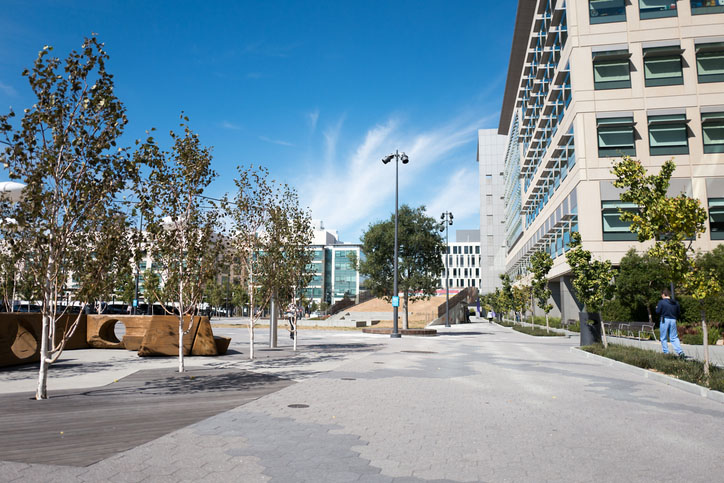
Looking for at least the particles of the spirit is pointless – Cardiff Bay, as the area Spring was describing, is called now, is the city’s most vibrant and modern part. The Jewish footprint has been erased just as all the artifacts left by the ‘Chinks, Dagos, Lascars and Levantines’. The area that used to be compared with Hamburg, Shanghai or New Orleans has died in order to rebirth. Unfortunately, the port Jews has not been commemorated. Where are than, the signs of Jewish presence? Have they been erased for good and non-traceable any more? This will be explored very soon and the Cardiff’s United Synagogue seems to be offering a wealth of information on that. Does the Rabbi know more about the port Jews in Cardiff? This is to be checked soon!
[1] Cesarami D. Port Jews: Jewish communities in cosmopolitan maritime trading centres, 1550-1950, London, Routledge 2002.
[2] Spring H. Heaven Lies About Us: a fragment of infancy, New York, Viking Press, 1939.