
I’m not sure if you noticed the stunning reaction of Jew haters around the world after 1300 Jews were brutally massacred by Palestinian Hamas terrorists on October 7.
They came after the Jews!
That’s neither a joke nor a typo.
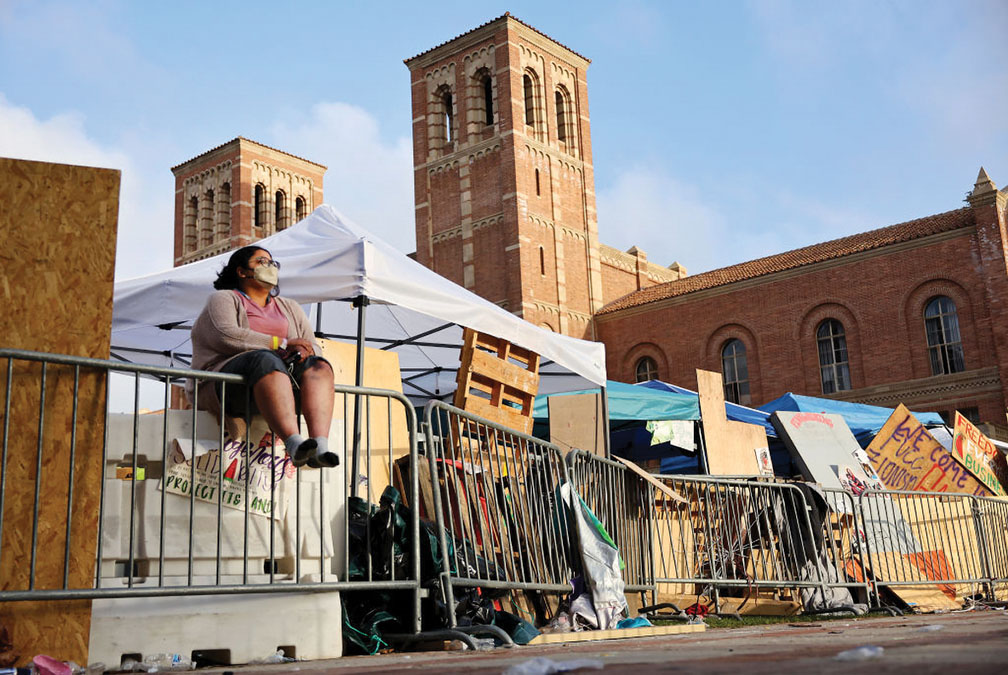
Even before Israel began its retaliation campaign against the Hamas murderers in Gaza, demonstrations had already sprouted on college campuses and around the world in support of…Palestinians!
Clearly, they were not marching to show empathy for the 1300 Jewish victims. Jew haters are so hypnotized by their hatred they’re incapable of seeing Jews as victims, even when Jewish babies are slaughtered in front of their parents, or Jewish families are burned alive, or Jewish partygoers are murdered, raped and mutilated.
As bewildering as it sounds, it is the Jewish college students who are actually on the defensive. At a Friday night Shabbat dinner I attended in New York, I heard several students grieve the atrocities of October 7, but they also said they haven’t been feeling safe on their campuses. Why? Because of hostile demonstrations glorifying terrorism against the Jewish state. We’ve been hearing similar reports from campuses across the country.
That’s a hard pill to swallow: 1300 Jews get massacred and it’s the Jewish students who are not feeling safe.
The upside is that I’ve never seen such a show of Jewish unity. The great majority of Jews have said “enough is enough.” Thousands of Jewish groups, synagogues and individuals, from the very small to the very big, have mobilized and jumped into action.
Jewish donors to universities have put their alma maters on notice, demanding that they fight Jew hatred and protect Jewish students. And yes, they’re using financial support as leverage. They want results. If Jewish students are singled out for hostility, it’s only fair that they be singled out for protection.
Meanwhile, countless initiatives are under way across the Jewish world to deliver assistance of all kinds to Israel. A mini-army of social media activists are swarming the platforms to expose the truth about Israel’s enemies and raise funds and awareness. Rallies are organized within a few days. Chat groups are buzzing with useful action. At the Park Avenue Synagogue on Friday night, the rabbi announced an $18 million emergency campaign to help Israel. He had already raised $16 million and needed $2 million more. It would come quickly.
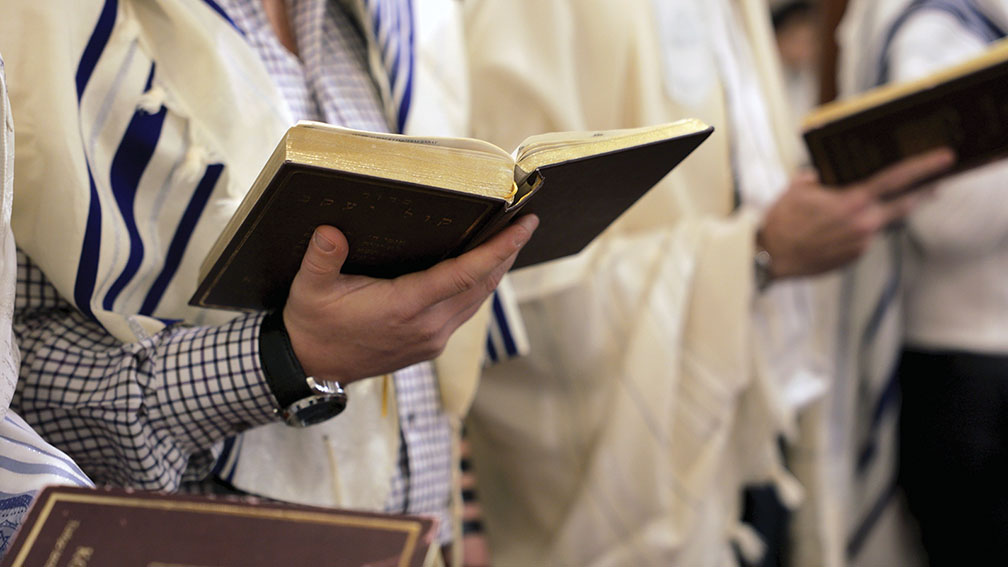
The synagogue was standing room only. I stood in the back, moved by this communal show of force. Jews who live thousands of miles away were coming together to tell their Israeli brothers and sisters, “We will not abandon you.” By the time we sang the Hatikva at the end of the services, it was hard not to choke up.
The rabbi, Elliot Cosgrove, delivered the line that perhaps best captures the mood of the moment: “We are traumatized but we are not paralyzed.”
As I walked outside with my daughter after the services, emotionally drained after a week of grieving, I found comfort in something that will surely help us cope with the trauma.
For now at least, the murderers of Hamas and the Jew haters of the world have united the Jews like never before.