
The View from Israel
Three years after Oct. 7, Israel is still waiting for a full accounting of what went wrong.

Three years after Oct. 7, Israel is still waiting for a full accounting of what went wrong.

In a climate of anti-Jewish censorship, a new fiction imprint from Wicked Son will play a part in determining the future of Jewish fiction in America.
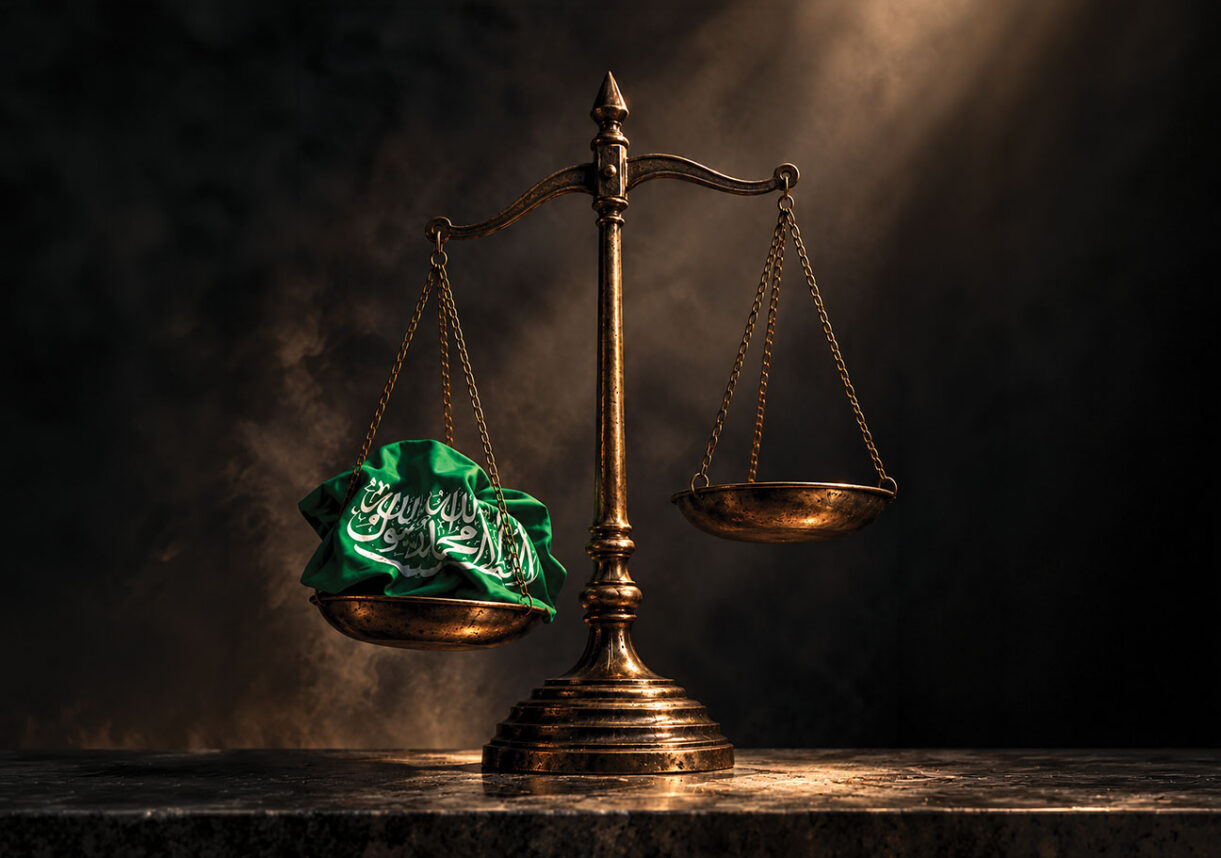
Was a single day’s attack, no matter how savage, too brief to qualify as genocide? It turns out that duration has never been the legal test.
An uproar over an article showing discrimination against Jewish and Israeli writers dramatizes how ideology and politics prevail over truth.

A Jewish high school in Los Angeles has developed a program that encourages students to reclaim their lives from social media. It is changing the conversation.
In this time of introspection and rising adversity, let us resolve as American Jews to write our new chapter by better understanding our history.
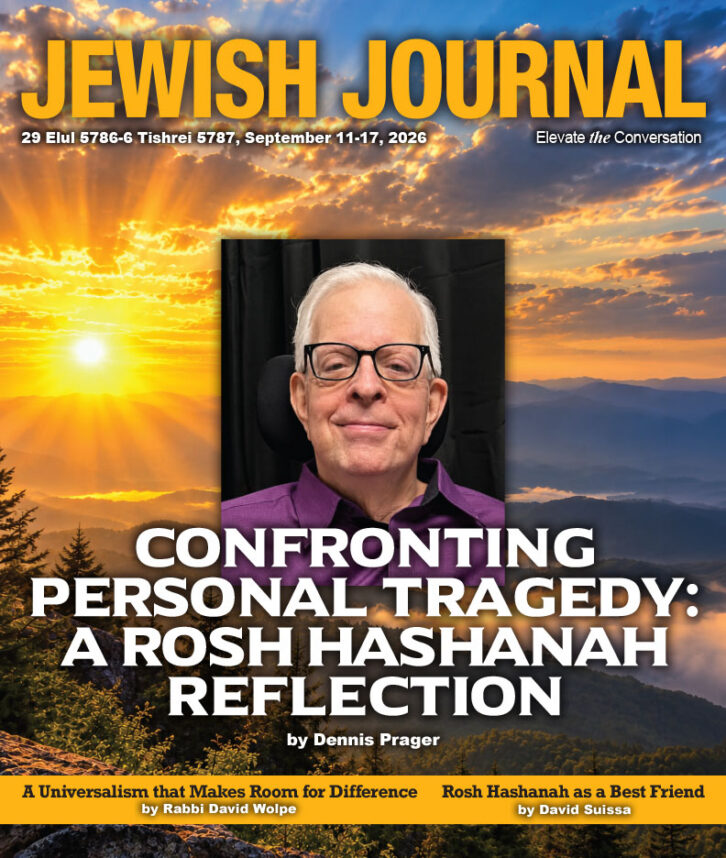
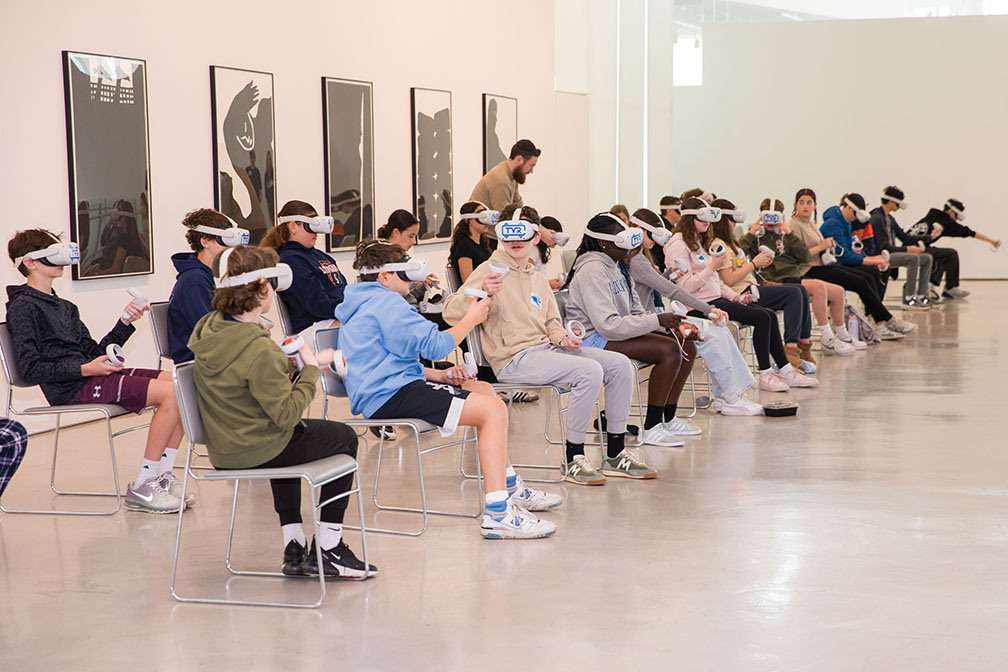
From a Local Experiment to a National Program: AKLA Expands Its Vision for Jewish Teens
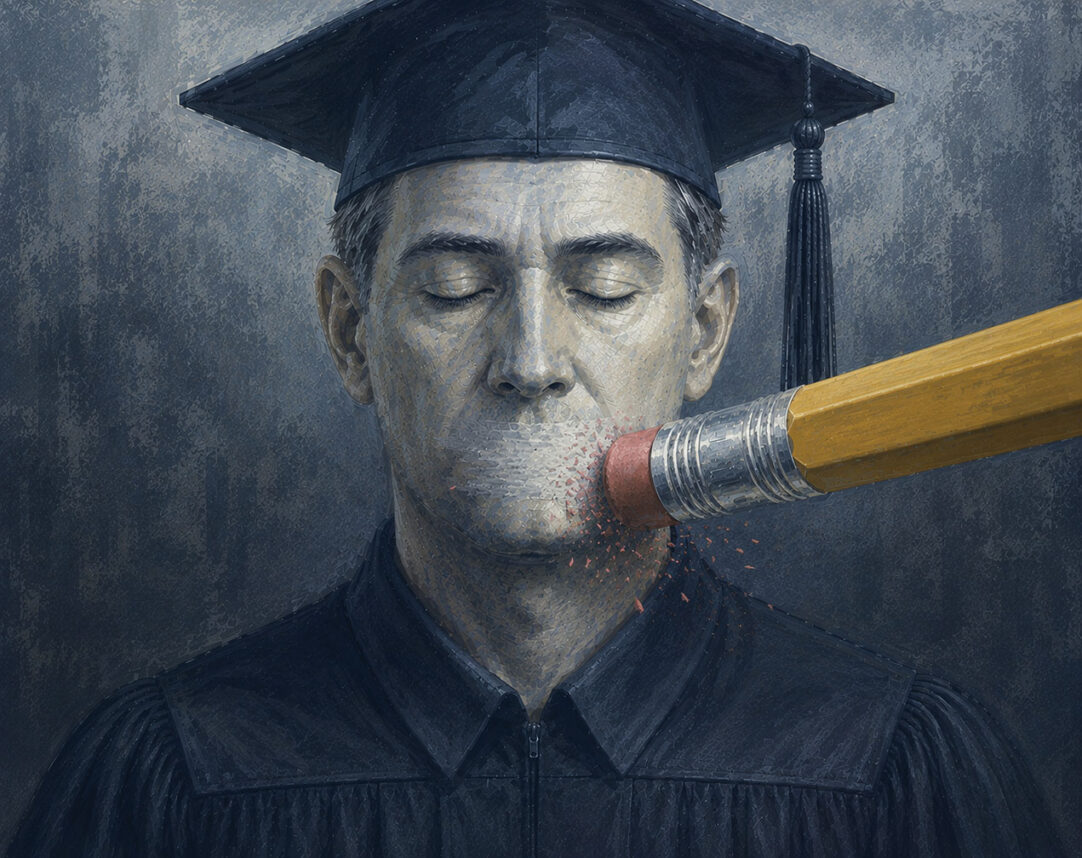
How Israeli Academics Are Being Shut Out of the International Academic World
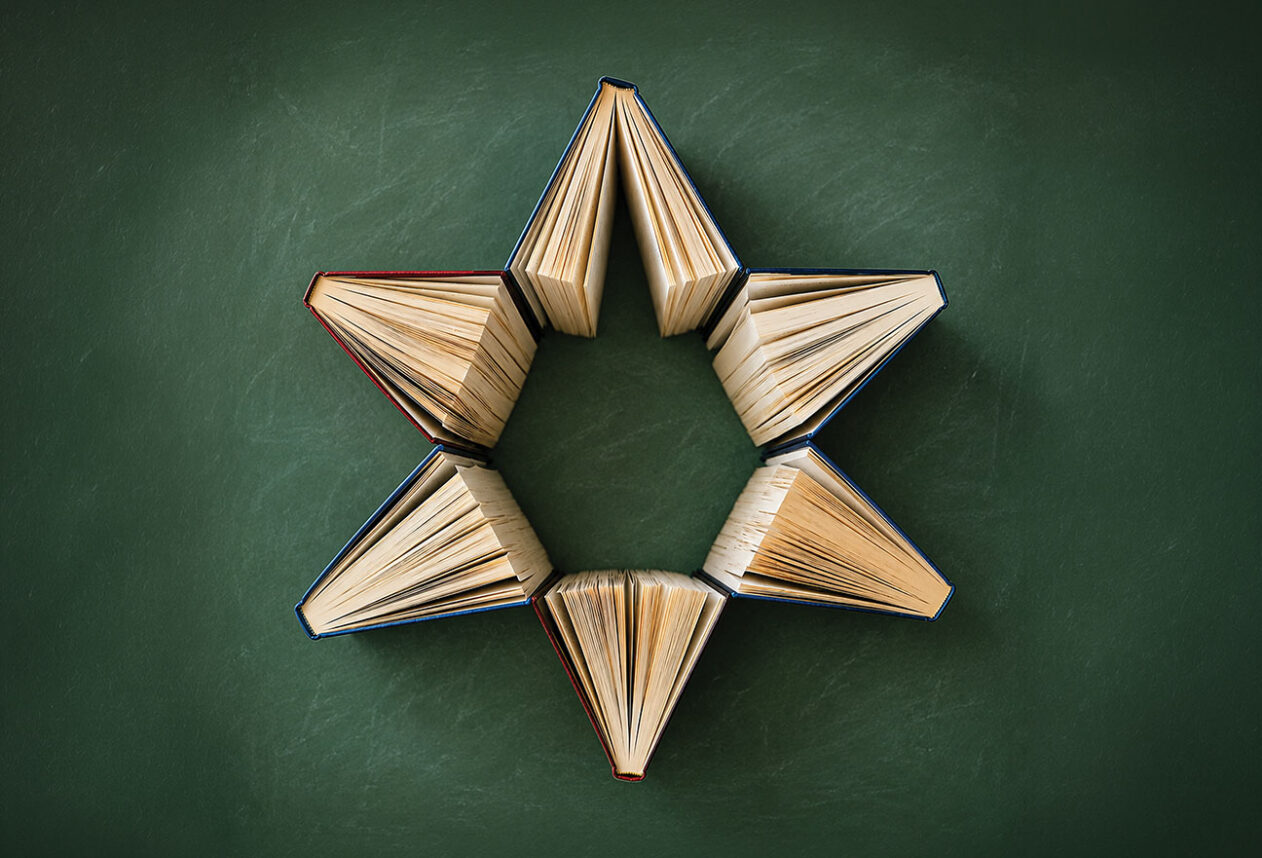
The five things we get wrong in Jewish education and what we can all do to improve it.




