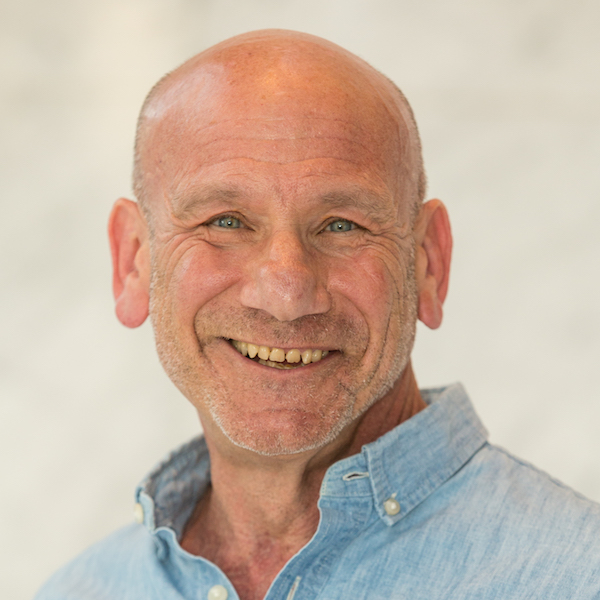
David Wichs was walking to work in TriBeCa last Friday morning when a 565-foot construction crane toppled onto Worth Street and killed him. He was 38.
I didn’t know him – I saw it in the paper. Workers had been lowering the crane as a precaution from wind gusts when it crushed him. From the noise and vibration, people on the block thought a bomb had exploded. He was remembered as warm, decent, “unusually gentle for someone who lived in this city.” Czech immigrant; Westinghouse Science Talent Search Semifinalist; a math degree from Harvard; a career in finance; a bolt out of the blue. “Despair and shock,” the New York Times Emergency responders at the scene of a 565-foot-tall crane that toppled and flipped upside down, stretching along nearly two city blocks in downtown Manhattan on Feb. 5. Photo by Brendan McDermid/Reuters
Drunk drivers, earthquakes, cancer, shooters – and now cranes. It’s rattling to be reminded how vulnerable we are. We busy our lives to distract ourselves from mortality, to extract meaning from absurdity, to pretend we control a cosmos of chance. At best, what I get from Worth Street is the gong of mindfulness. Savor the moment. Hug your children. Don’t go back to sleep. At worst: Grow up. It’s all hanging by a thread.
Now David Wichs’ whole life story is shadowed by how it ended. This is cruelly unjust. An ominous theme underscores all of it, imposing dread on ordinary moments, robbing them of their quotidian glory. In the wake of a freak accident, casual snapshots become fraught with foreboding; light words become last words. David plans, but God laughs.
The tyranny of endings defines us all, even if we’re lucky enough not to be unlucky. We experience our lives as stories. As each day unfolds, we update the narrative in our head, recasting Before in light of After. Life delivers randomness, but we’re ingenious at discovering cause and effect in its depths. We are as adept at rewriting as at writing. Our nimble revisionism allows us to believe we’re the authors of our existence – not the journalists reporting it, but the screenwriters creating it.
But no matter how good we are at reverse engineering our path to the present, our appointment with mortality guarantees an ending. As we succumb to the inevitable deterioration, we lose not only our health, but also our power to control our own story. “The terror of sickness and old age,” Atul Gawande writes in his best seller ““>Rancho La Puerta and the Golden Door, is running martyk@jewishjournal.com.













 More news and opinions than at a Shabbat dinner, right in your inbox.