 Place settings from OneTable Shabbat.
 I sit at my computer 10 hours a day. I check my work email on the weekends and even put in some extra time on Sunday.
I work in bed and on vacation. I work on airplanes and in cars. I work wherever there is Wi-Fi.
I take on much more than I can handle, and my main source of anxiety is work.
I’m a workaholic.
But I wasn’t always so self-aware.
At the end of 2017, I’d officially been freelancing for seven years. I was sick of the constant ups and downs and
financial instability. So, I got a full-time, 9-to-5 office job.
Instead of simply focusing on the job — which, unfortunately, didn’t turn out to be the best fit — I worked eight hours a day, then came home and worked up until bedtime every night. I also worked on weekends, except for Shabbat.
“I’ve learned that work will always be there. But I only have one chance to live a fulfilling life.”
After a few months of this, I was drained. I’d stopped going to the gym, was waking up tired every day and felt like I was in a fog.
I thought I was working for practical reasons, like being able to pay the bills and feel financially stable. It helped a little bit with those things, but mostly, I was doing it because I am a work addict.
My husband, Daniel, noticed how unhappy I was during this time. He told me I was a workaholic. I scoffed at first and then took to Google to see if he was right. I looked at a Workaholics Anonymous checklist and, of course, I had every single trait.
“Do you take work with you to bed? On weekends? On vacation?” Check. “Are you afraid that if you don’t work hard all the time, you will lose your job or be a failure?” Check. “Have your long hours caused injury to your health or relationships?” Check. “Do you think about work or other tasks while driving, conversing, falling asleep or sleeping?” Check.
I knew what I had to do. As a faithful Jewess, I turned to HaShem, because even when I was overworking myself, I found 25 hours of peace every week thanks to Him.
I prayed and prayed for a steady remote opportunity throughout the High Holy Days last year. I was desperate to break my bad habits.
As soon as I turned on my phone after the last chagim, I had a job offer waiting in my inbox. I promptly quit my job and switched back to telecommuting. I made a promise to myself that I wouldn’t let my workaholism control me anymore.
I know why I work so much. It’s to avoid loneliness and negative thoughts. Also, our society emphasizes 24/7 work. We put not sleeping enough, taking on extra hours and checking your work email at nights and on the weekends on a pedestal. It’s a trap. I’ve learned that it’s very radical to observe Shabbat nowadays, which is sadly so backward.
I know that if I didn’t do Shabbat, I’d be working on Friday nights and Saturday. But by setting that boundary for myself to turn off my devices and just rest, and doing it because I believe in a higher power, I’ve been able to “stay sane inside insanity.” Shabbat saves me from myself.
Now, I am focusing on self-care. I sleep at least seven hours a night, go to the gym every day, eat a mostly plant-based diet and pray daily. I’ve also incorporated some of my Shabbat practices into my weekdays. I turn off my phone about an hour before I go to bed and keep it in another room so I don’t check it first thing in the morning. Instead, when I wake up, I say my morning prayers.
I’ve learned that work will always be there. But I only have one chance to live a fulfilling life. I don’t want to look back when I’m old and say, “I turned in a lot of really great articles and made all my deadlines!” I want to be able to say, “I had a great life, full of love and meaningful moments.”
Thanks to HaShem, I think I’ll be able to get there. Anyway, I’m working on it.
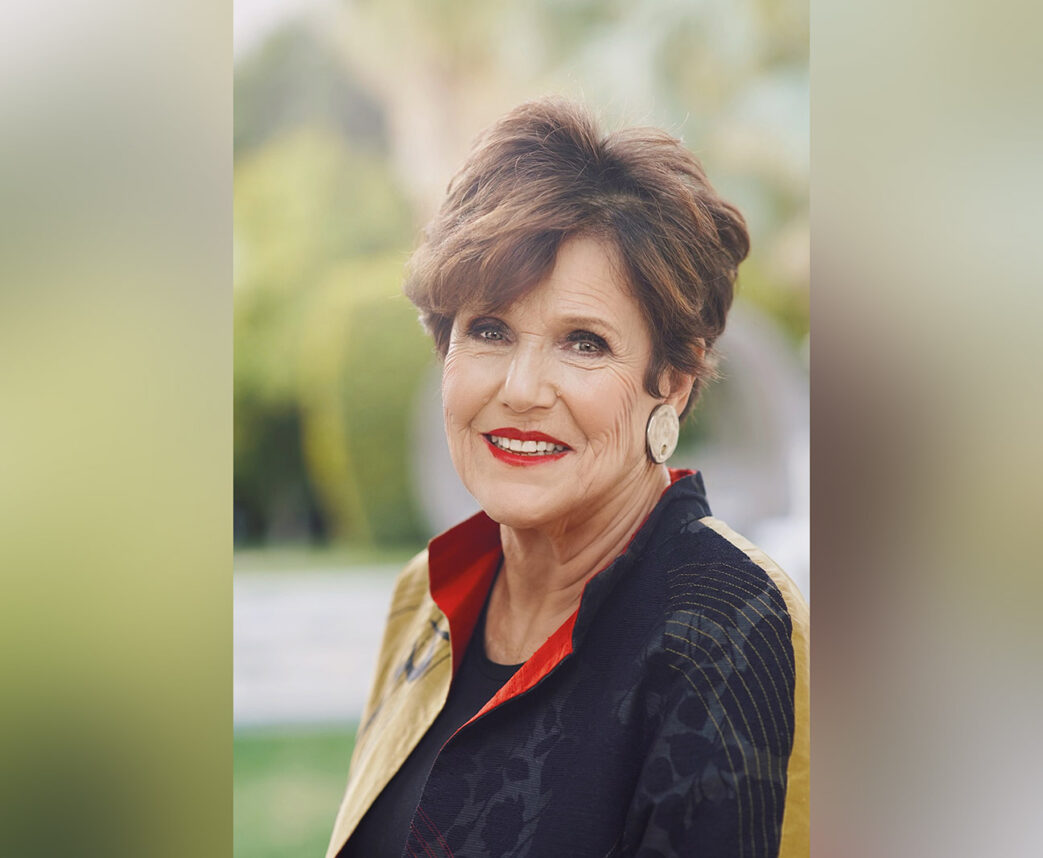
Kylie Ora Lobell is a contributing writer to the Jewish Journal.


















 More news and opinions than at a Shabbat dinner, right in your inbox.